Could Diabetes be putting your feet at risk without you knowing? Many people with diabetes worry about blood sugar numbers. Few think about their feet until something goes wrong. This delay costs lives, limbs, and independence.
Diabetic foot ulcers remain one of the leading causes of hospital admission and lower-limb amputation worldwide. Most of these outcomes are preventable.
Diabetes affects nerves and blood vessels. The feet sit at the far end of this system. Damage often appears there first.
Why Diabetes Attacks the Feet
High blood sugar damages nerves. Sensation fades. Pain no longer warns of injury. A small cut, blister, or pressure spot can go unnoticed for days or weeks.

Circulation also suffers. Blood struggles to reach the feet. Oxygen and nutrients arrive late. Healing slows. Infection gains ground.
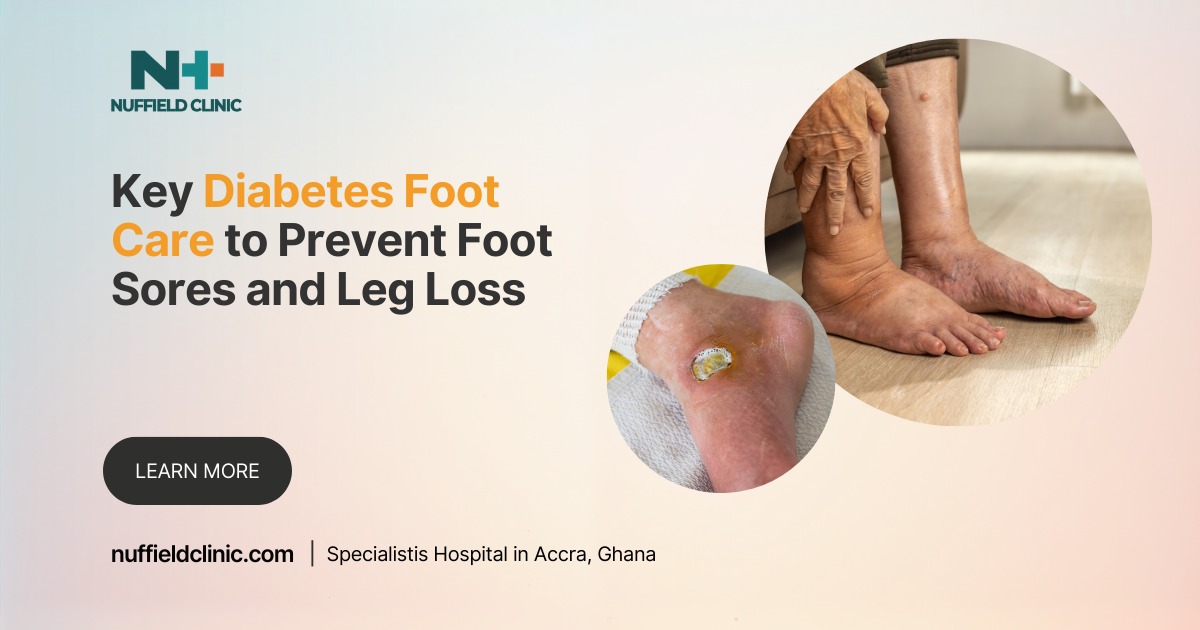
Foot ulcers often begin as hardened skin or calluses. Pressure builds at the same spot with every step. Skin breaks down. An open wound forms. Infection may follow. Untreated ulcers can progress rapidly. Amputation risk can reach 50% in severe cases.
The Silent Danger of Neuropathy
Nerve damage changes how the foot feels. Early signs include burning, tingling, or pins-and-needles sensations. Later stages bring numbness. Some people feel nothing at all.
Without pain as a warning system, injuries continue unnoticed. Ill-fitting shoes rub. Small stones cut the skin. Heat burns go unfelt. Each injury adds risk.
Foot shape may change over time. Bunions, hammertoes, and collapsed arches increase pressure points. Ulcers often appear on the sole, directly under areas of repeated stress.
Daily Foot Care That Protects Limbs
Daily inspection remains the most powerful defence against diabetic foot complications. Feet should be checked every day. A mirror helps when bending is difficult. Family members can assist.
Skin breaks, blisters, swelling, redness, temperature changes, calluses, and nail injuries deserve attention. Moist areas between toes signal trouble.
Feet need gentle washing and thorough drying. Moisturiser prevents cracks. Lotion must stay away from between the toes.
Barefoot walking creates risk indoors and outdoors. Shoes provide protection at all times. Footwear should fit well, support the foot, and spread pressure evenly. Socks should feel smooth and dry.
Toenails require care. Cutting too deep invites wounds. Corns and calluses should never be trimmed at home with sharp tools.
Blood Sugar Control Shapes Healing
Blood sugar control determines how well wounds heal. High glucose weakens immunity. Infection spreads faster. Tissue repair slows dramatically.
Every rise in long-term glucose levels reduces healing capacity. Diet, medication adherence, regular monitoring, and follow-up visits matter every day.
Nutrition supports repair. Protein builds tissue. Vegetables support circulation and immunity. Smoking damages blood flow and delays healing. Physical movement improves circulation and glucose use.
Foot health reflects whole-body health.
When an Ulcer Appears, Time Matters
A diabetic foot ulcer is a medical emergency. Early treatment shortens healing time and reduces complications. Delays allow bacteria to invade deeper tissue and bone.
Two principles guide all effective treatment.
Pressure must come off the wound completely. Walking on an ulcer keeps reopening tissue. Total contact casting offers the strongest protection. Boots and special shoes help only when used consistently.
Dead tissue must be removed. Debridement clears infection risk and allows healthy tissue to grow. This process often repeats every few weeks.
Advanced therapies work only after these steps are in place.
Modern Treatments That Save Feet
Specialised dressings control moisture and support healing. Infection requires careful assessment and antibiotics when needed. Severe cases may need hospital care.
Advanced options include wound vacuum therapy, biologic skin substitutes, regenerative treatments, and oxygen therapy for selected patients. Circulation problems may require vascular procedures to restore blood flow.
Treatment plans must adapt as wounds change.
The Role of Patient Advocacy
Patients play a central role in outcomes. Foot concerns deserve full attention during clinic visits. Questions should be asked directly. Sensation testing and circulation checks should happen regularly.
Care works best through teamwork. Doctors, podiatrists, nurses, diabetes educators, and vascular specialists each contribute. Family support strengthens daily care.
Second opinions matter when progress stalls or concerns feel dismissed.
Trusted Care Makes the Difference
Preventing amputations requires experience, structure, and follow-through. At Nuffield Clinic, diabetic foot care focuses on early detection, pressure relief, wound management, and long-term prevention. Patients receive coordinated care that treats the foot and the disease behind it.
Strong systems save limbs. Consistent care saves lives.
Protect Your Feet, Protect Your Future
Diabetes does not have to lead to amputation. Daily care, early treatment, and the right medical support change outcomes.
Feet carry you through life. They deserve attention before pain forces it.
If you live with diabetes, foot care is not optional. It is essential.