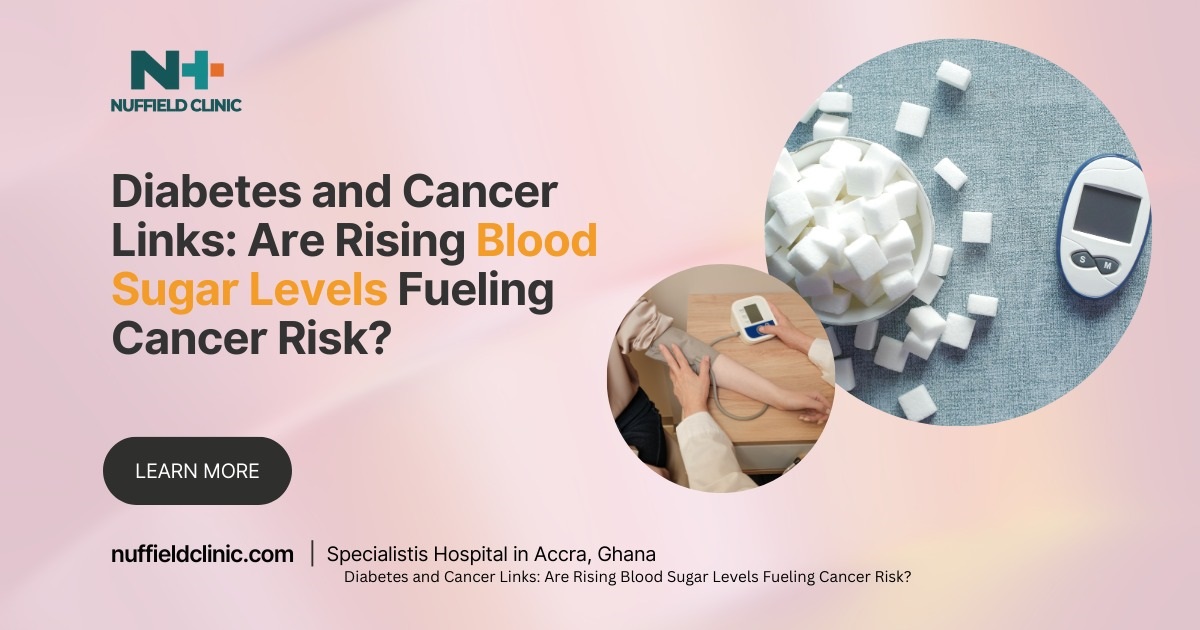
Diabetes and cancer intersect in ways that many people don’t fully understand. Research shows that individuals with type 2 diabetes face higher risks for several cancers, including liver, pancreatic, colorectal, breast, endometrial, and bladder cancers.
Conversely, prostate cancer seems less common in men with diabetes, though outcomes for those who do develop it are worse. This relationship is complex, influenced by shared lifestyle factors, metabolic changes, and medical treatments.
Obesity, physical inactivity, and diet are common threads linking both conditions. Beyond these shared factors, diabetes alters the body at a cellular level. High insulin levels can act as a growth signal for cancer cells, while elevated blood glucose feeds their rapid metabolism.
Chronic inflammation, oxidative stress, and immune dysfunction further create an environment where cancer cells can thrive. New research shows that exosomes, tiny particles circulating in the blood of diabetic patients, can weaken immune defences in tumours, giving cancer cells an advantage.

The link between cancer and diabetes is bidirectional. Treatments for cancer, including steroids, chemotherapy, immune checkpoint inhibitors, and targeted therapies, can trigger new-onset diabetes or worsen blood sugar control in those already diagnosed.
Glucose management often deteriorates during cancer treatment, increasing the risk of infection, longer hospital stays, and complications like neuropathy.
Diabetes medications themselves can influence cancer risk. Metformin consistently shows a protective effect, reducing cancer incidence and mortality.
Some studies raise concerns that insulin or sulfonylureas might elevate cancer risk, though evidence is still debated. Other therapies, including GLP-1 agonists and SGLT2 inhibitors, have largely inconclusive links to cancer outcomes, though research continues.
Epidemiology confirms the interplay. Type 2 diabetes increases overall cancer risk by roughly 10%, with the highest risks seen for liver, pancreatic, and endometrial cancers.
Men with diabetes are less likely to develop prostate cancer, but those who do face higher mortality. Type 3c diabetes, resulting from pancreatic disease, exemplifies the overlap, as diabetes can be both a consequence and a risk factor for pancreatic cancer.
The consequences are serious. Patients with co-occurring diabetes and cancer experience worse survival rates, higher treatment complications, and longer recovery periods. Hyperglycemia during chemotherapy elevates infection risk and can worsen neuropathy, cachexia, and overall quality of life. Effective management of both conditions is essential for improving outcomes.
Clinics like Nuffield Clinic provide comprehensive care for individuals facing diabetes and cancer risks. Their services include screening, patient education, and personalised treatment strategies that aim to stabilise blood sugar, reduce cancer risk, and support overall health.
Early detection and proactive management remain critical in reducing morbidity and improving survival for those affected.
The connection between diabetes and cancer underscores the importance of vigilance. Maintaining metabolic health, monitoring blood sugar, and seeking professional guidance are essential steps. Addressing these risks early can improve outcomes and protect long-term health, making integrated care a top priority for patients and clinicians alike.