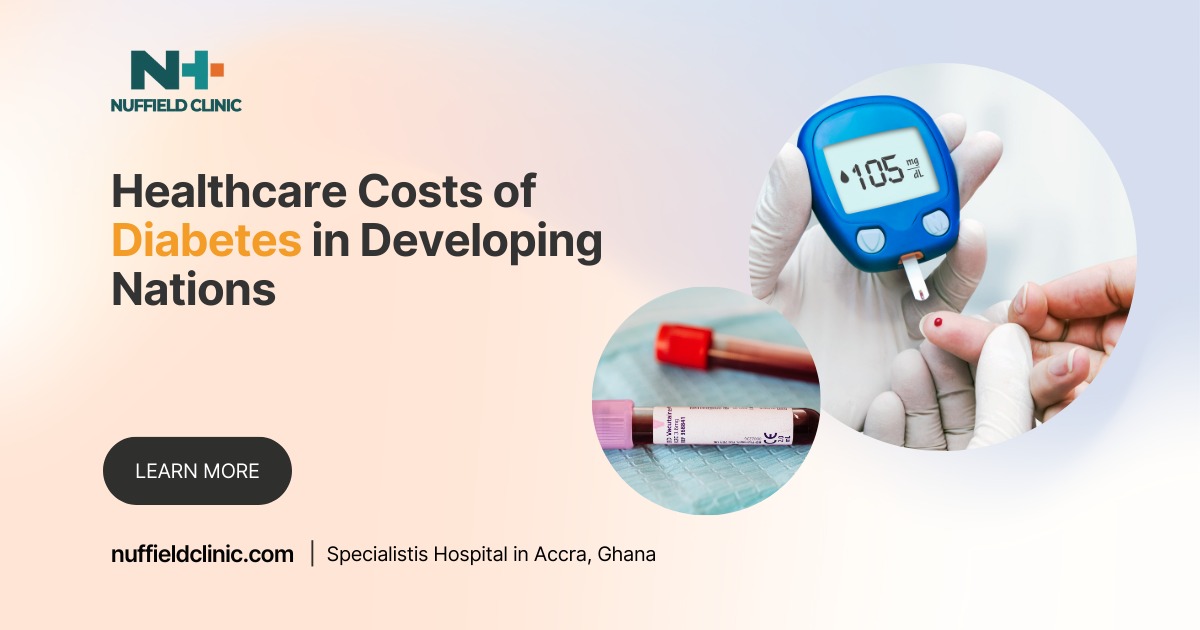
What are the biggest healthcare burdens for diabetes patients in Developing a Nation? Diabetes is more than a personal health issue; it is a financial storm that sweeps through households, communities, and health systems, especially in developing nations. The disease has surged across the globe, and low- and middle-income countries face a dual challenge: rising prevalence and limited resources to manage it.
In the United States, for example, over 38 million people live with diabetes, and the economic burden tops $400 billion annually. Imagine what this translates to in developing nations, where healthcare systems are underfunded, and most patients pay out-of-pocket.
The cost of treatment is a major barrier. Insulin, a lifesaving medicine, has become prohibitively expensive for millions. Patients are forced to ration doses, skip injections, or rely on inconsistent alternatives.
These choices increase the risk of complications such as kidney disease, vision loss, and heart problems. The financial strain is compounded by indirect costs: lost productivity, missed workdays, and long-term disability.

In Ghana, the story is similar. Non-communicable diseases like diabetes are on the rise, yet screening and treatment access remain patchy. Studies show that over 70% of people in urban areas have never been screened for NCDs.
Awareness campaigns improve knowledge, but without affordable testing and treatment options, information alone cannot prevent disease progression. Public health programs must link education with tangible services, such as free screening clinics and subsidised insulin, to create meaningful change.
Market solutions offer a glimmer of hope. Biosimilar insulins, produced by companies such as Gan & Lee Pharmaceuticals, aim to lower costs and increase availability. These biologic equivalents to brand-name insulin can provide effective treatment at a fraction of the price, easing the financial burden on patients and health systems. Expanding biosimilar access across developing nations could be transformative, enabling more people to manage diabetes safely and consistently.
Prevention remains equally critical. Managing diet, maintaining physical activity, and regular monitoring of blood sugar levels are tools that can delay or avert complications. Clinics like Nuffield Clinic offer comprehensive diabetes care, including screening, treatment, and patient education. Their approach ensures patients understand their condition, receive affordable treatment, and adopt lifestyle changes that protect long-term health.
Unchecked, the economic toll of diabetes will continue to grow in developing nations. Rising insulin prices, limited screening, and under-resourced healthcare systems create a perfect storm. Solutions exist, but they require coordinated action: affordable medications, accessible care, and widespread public health interventions. Patients, communities, and governments must act together to prevent diabetes from draining both health and wealth.