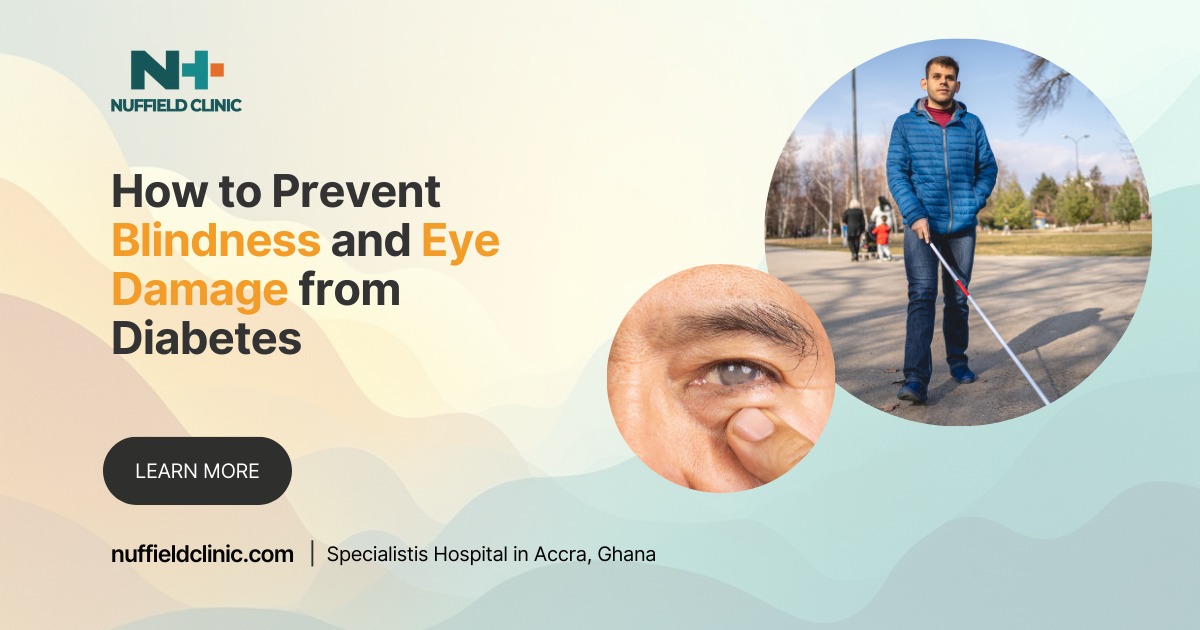
Can Diabetes steal your sight without warning? Most people think blindness comes with pain or clear warning signs. Diabetes does not work that way. Vision loss linked to diabetes often starts quietly, progresses silently, and becomes obvious only when damage is already advanced. This is why diabetic retinopathy remains one of the leading causes of preventable blindness worldwide.
Diabetes affects far more than blood sugar. Over time, uncontrolled glucose damages blood vessels across the body. The eyes are especially vulnerable. The retina depends on tiny, delicate blood vessels to function. When those vessels are injured, vision becomes fragile.
How Diabetes Damages the Eyes
Diabetic retinopathy develops when high blood sugar weakens and injures the blood vessels that supply the retina. At first, the changes are microscopic. Small bulges form in vessel walls. Tiny leaks appear. Bleeding begins at a level the patient cannot see or feel.
As damage continues, blood vessels may close completely. Oxygen supply drops. The eye reacts by growing new blood vessels, but these vessels are weak and abnormal. They bleed easily and create scar tissue. Scar tissue pulls on the retina. Retinal detachment can follow. Pressure inside the eye may rise, leading to a dangerous form of glaucoma.

At this stage, vision loss can be severe and permanent.
Why Diabetic Retinopathy Is Dangerous
Early diabetic retinopathy rarely causes symptoms. Vision may remain normal for years while damage progresses underneath. Many patients discover the problem only after sudden vision loss, heavy floaters, blurred central vision, or dark patches that do not clear.
Risk increases with longer duration of diabetes, poor blood sugar control, high blood pressure, high cholesterol, pregnancy, smoking, and excess body weight. People of African, Afro-Caribbean, and South Asian descent face a higher risk, even when diabetes seems “well managed.”
The Stages That Lead to Blindness
Diabetic retinopathy advances in stages.
Background retinopathy marks the earliest phase. Small vessel changes appear, but vision stays intact. Many patients assume everything is fine at this point.
Pre-proliferative retinopathy shows more bleeding and vessel damage. Risk to vision rises, even if eyesight still feels normal.
Proliferative retinopathy represents advanced disease. New abnormal vessels grow. Bleeding becomes severe. Retinal detachment and glaucoma may develop. Urgent treatment becomes necessary to preserve remaining vision.
Macular involvement can occur at any stage. When swelling affects the macula, sharp central vision is threatened. Reading, driving, and recognising faces become difficult.
Screening Saves Sight
Diabetic eye screening changes outcomes. Retinal photography detects damage long before symptoms appear. Regular screening lowers the risk of diabetes-related blindness by up to 90%.
One eye exam per year can make the difference between lifelong vision and irreversible loss. Patients with advanced findings need more frequent monitoring. Skipping appointments allows silent damage to progress unchecked.
Anyone with diabetes should treat eye screening as essential medical care, not an optional check.
Prevention Starts Outside the Eye Clinic
Eye treatments alone cannot stop diabetic retinopathy. Blood sugar control matters every day. Blood pressure control matters every day. Cholesterol control matters every day.
Medication must be taken exactly as prescribed. Diet choices affect glucose levels immediately. Physical activity improves insulin sensitivity and circulation. Smoking worsens blood vessel damage throughout the body.
Weight management, stress control, and regular medical follow-up work together to protect the eyes.
Foot care matters too. Poor healing signals broader vascular damage.
When Treatment Becomes Necessary
Advanced retinopathy requires specialised care.
Laser therapy helps stop abnormal vessel growth and reduce bleeding. Anti-VEGF injections control swelling and slow disease progression. Vitrectomy surgery removes blood and scar tissue in severe cases. Glaucoma treatment may involve drops or surgery when eye pressure rises.
Treatment aims to preserve vision. Lost sight often cannot be restored.
Where Expert Care Matters
Early detection and proper management demand experience, technology, and coordination between medical disciplines. At Nuffield Clinic, diabetic eye disease is approached as a whole-body condition, not just an eye problem. Screening, diagnosis, and treatment are handled with attention to both vision and underlying metabolic control.
Patients benefit from structured follow-up, modern retinal imaging, and timely referral for advanced care when needed. Preventing blindness works best when care is proactive, consistent, and patient-centred.
The Choice That Protects Vision
Diabetes does not guarantee blindness. Ignoring eye health does.
Annual screening, daily control, and early intervention protect sight. Vision lost to diabetic retinopathy rarely returns. Vision protected early often lasts a lifetime.
If you live with diabetes, your eyes deserve the same attention as your blood sugar.
Your sight depends on it.